Culinary discoveries in Lithuania
About last summer

First off, you should visit Lithuania! Second off, this album is recommended listening as you read this.
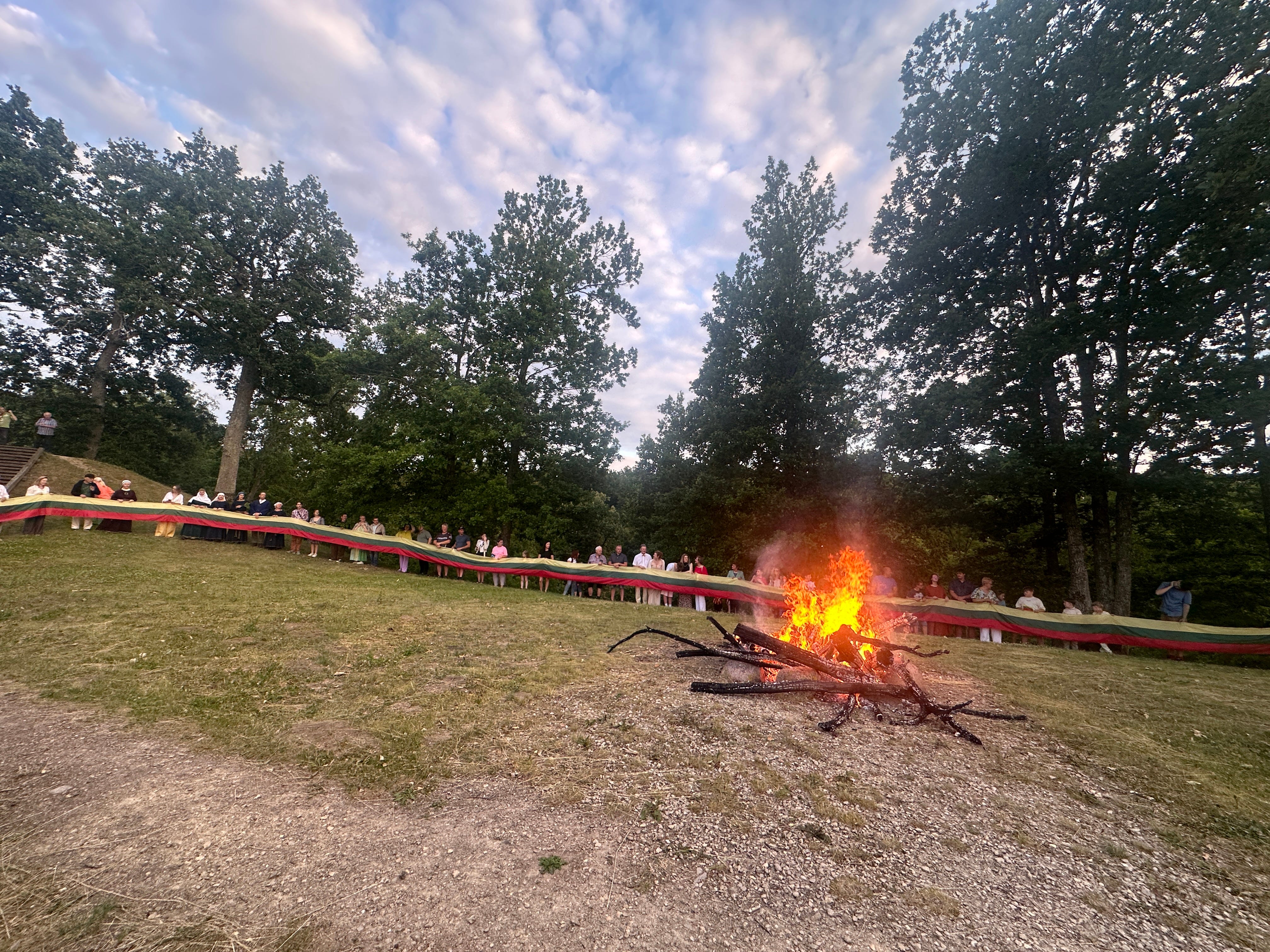
I was in Lithuania last year about this time, being shown around by cider-making friends. Visiting a country that wasn’t really on your radar previously is an enormous and rare privilege. From singing the national anthem around the bonfire on National Day (July 6th) and exploring generations of farmhouses at the Open Air Museum of Lithuania to hearing sutartinės live, I got to plunge head-first into a storied land that a) was the largest in Europe in the late Middle Ages, b) didn’t begin to be Christianized until the 14th century, and c) has a language considered one of the oldest in Europe, with large similarities to Sanskrit and Ancient Greek.


It’s not just the history that’s living my head rent-free, though, but also the food. On a recent episode of The Kitchen Cabinet, a Lithuanian guest summed up her cuisine as follows: “It’s very rich, real food […] we’re using lots of fats everywhere”. This is true, but there’s so much more to it, and I think people should know more about. Read on for my top Lithuanian culinary epiphanies.
Tatar pie & dill broth
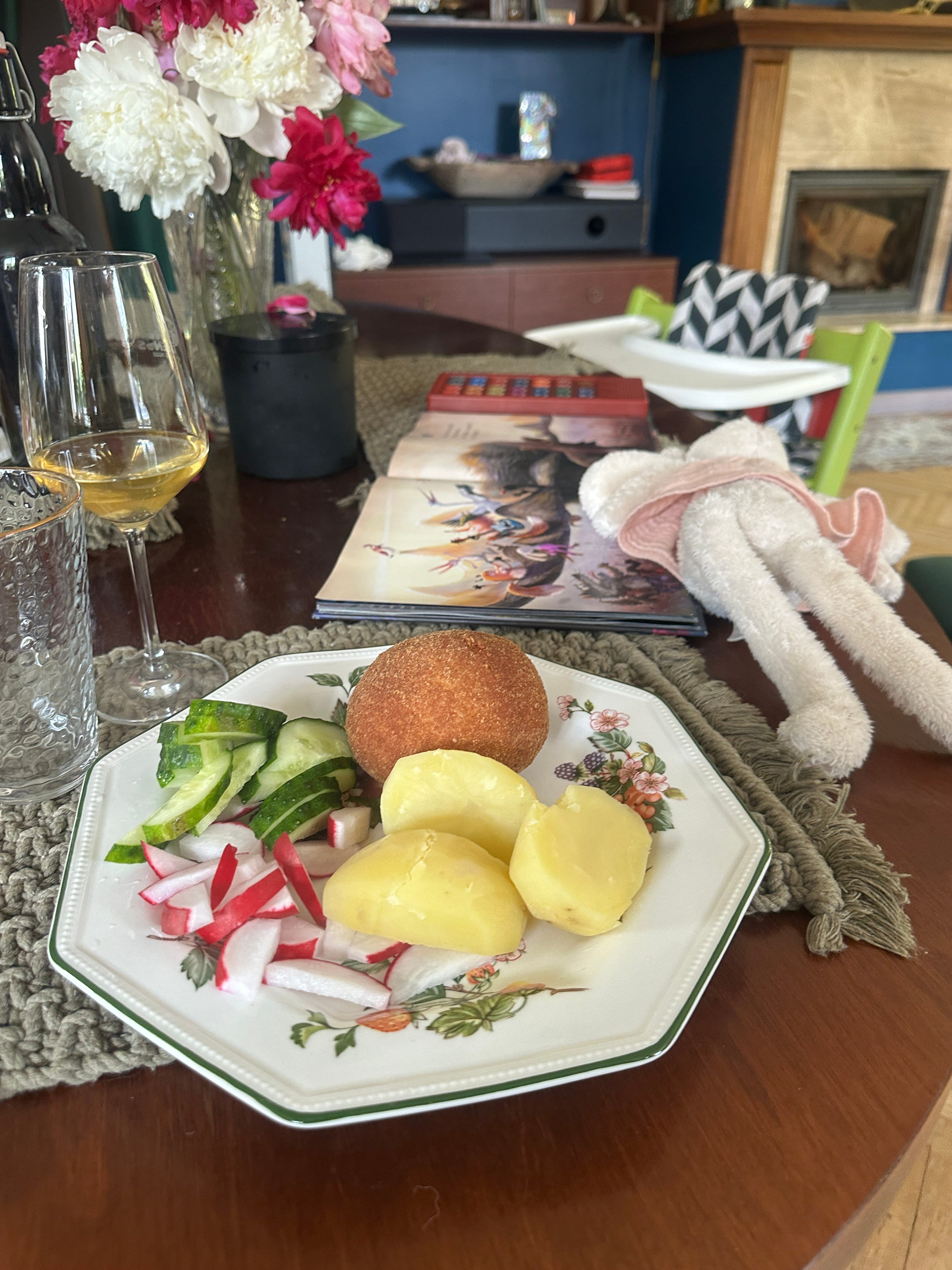
Kibinai are richly peppered meat-filled hand pies, rather like those geographically protected ones from quite the other end of Europe. These little pockets of yum are associated the Tatars, who have been one of Lithuania’s most prominent ethnic minorities since they were brought over to work as guards and warriors after the collapse of the Golden Horde around the end of the 14th century.
What I didn’t expect was that these pies often come with a cup of absolutely dill-maxxed chicken broth; it’s a match made in heaven. This verdant broth, totally unctuous yet somehow also totally refreshing, is itself an absolutely glorious thing—I don’t know why it isn’t served with, say, New York’s salt beef bagel. The lunch below cost a couple of Euros from an every day café in Kaunas; I followed it with a gigantic cappuccino and a canelé (one of my favorite pastries and incidentally one that seems to be having a bit of a moment in Lithuania).
Teardrop-shaped cheese
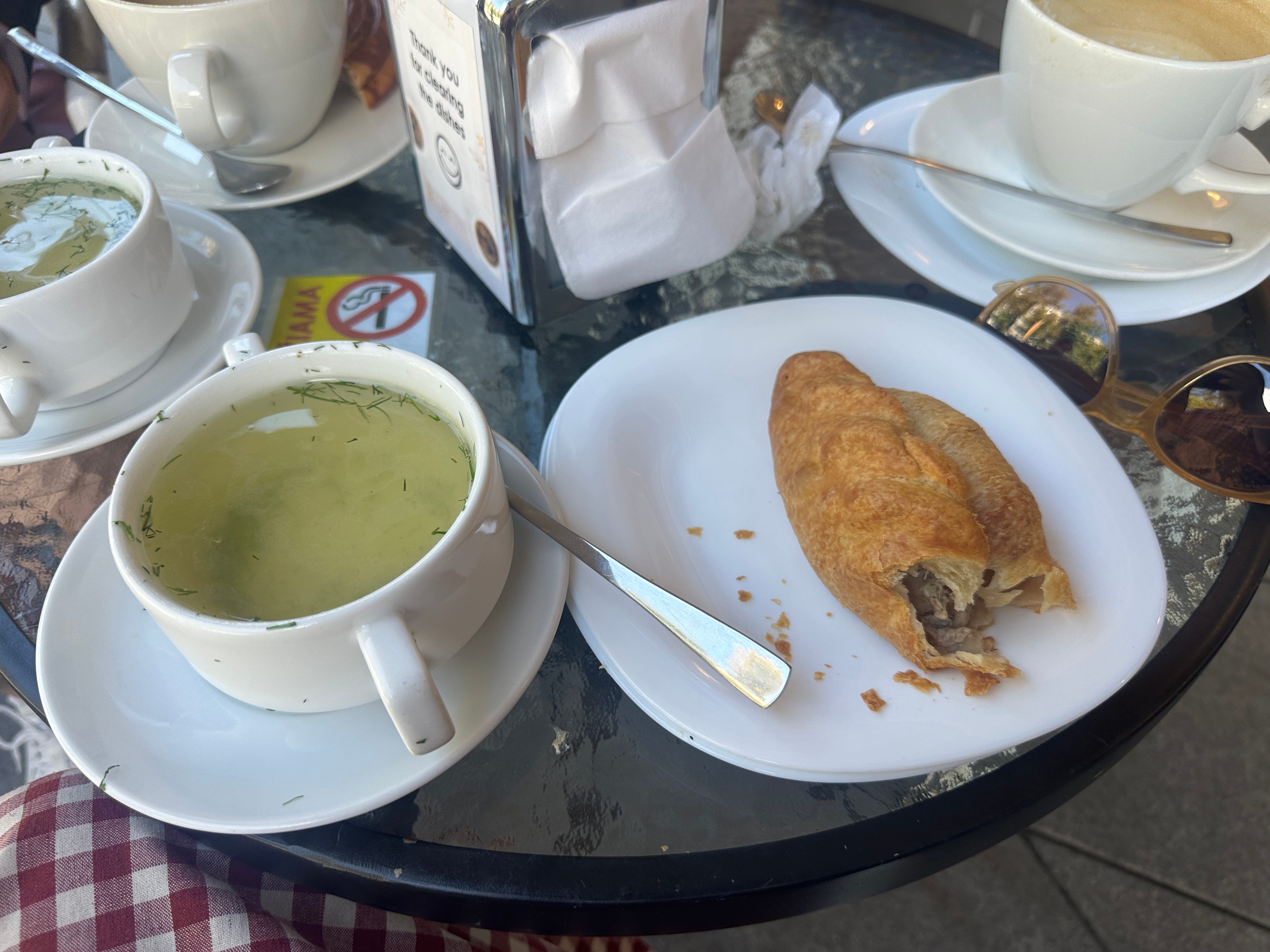
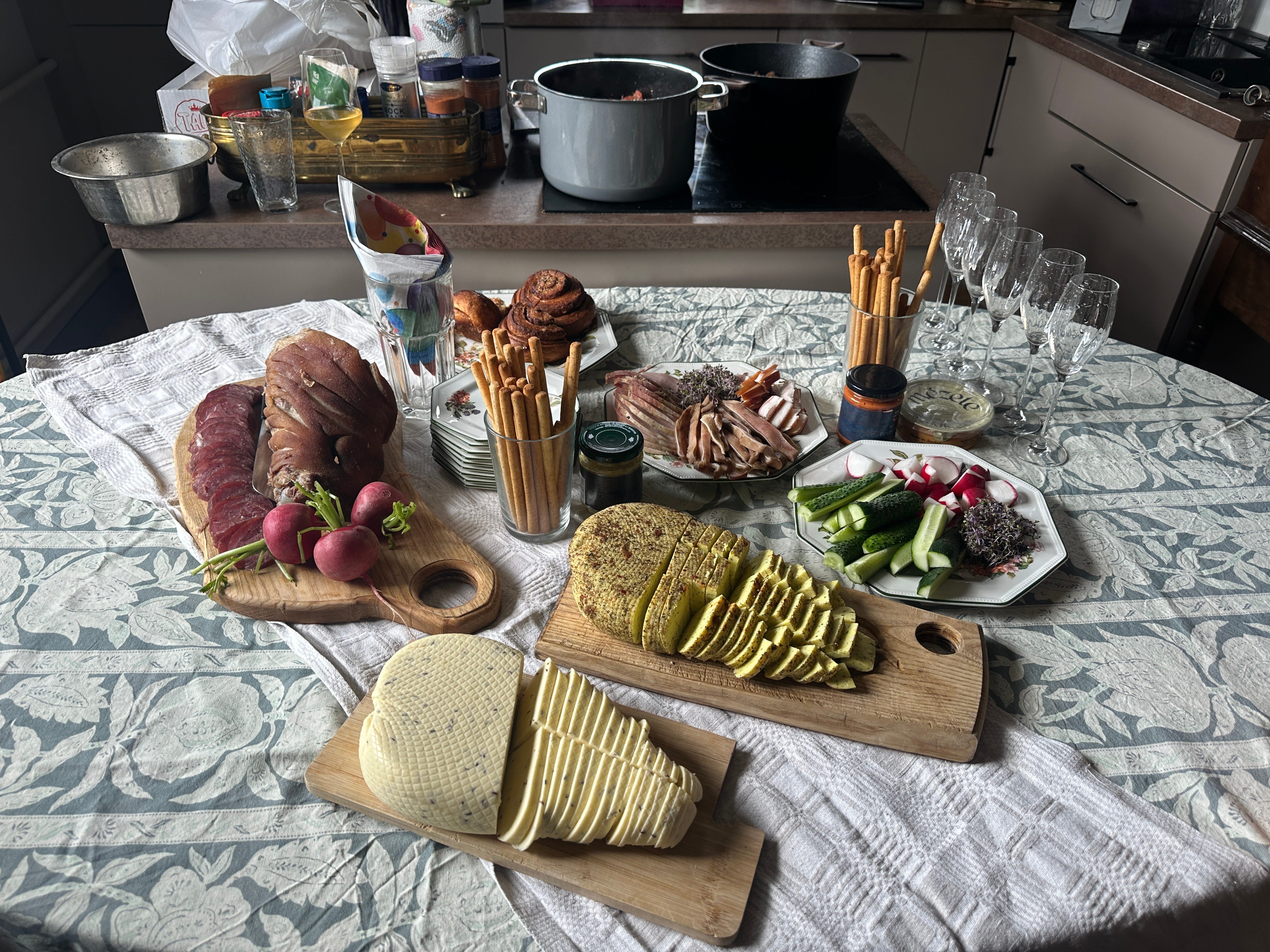
Lithuania adheres to the general European rule that the further north you go and the more cows you have, the fresher and softer your cheese. There was basically just one type that I keep running into—on kitchen tables, in restaurants, at parties—Lietuviškas varškės sūris, or Lithuanian cottage cheese. Somewhere between quark, ricotta, and Wensleydale, this strangely triangular cheese was adorned with the imprint of the cloth it was made in and always made me think of organ bellows with its lying-down teardrop shape.
You can find all different kinds: seasoned with spices or herbs, tinted yellow with turmeric, lightly sweetened with dried fruits or poppyseeds, or smoked. Regardless, being made with lactic acid culture rather than rennet and eaten unripened while still crumbly and fresh, it will never have very much flavour—sorry, Lithuanians. But it’s more about the sheer snack-ability and customizability of it, the way it’s at home on every table and reminds you of times past. The bystanders to whom I pointed out the unusualness of their cheese’s characteristic shape were amused—“You mean you haven’t had cheese this shape before?”
Actually good porridge
I’m not usually a porridge person. While I realize this may conflict with my vibe, I just think that oats and similar interesting grains taste better baked. Give me a farl, a Staffordshire oatcake—heck, a loaf of sourdough bread—any day. That said, I had my mind changed by Lithuania. On several days, my hosts made us porridge for breakfast. They did use oats, although they pointed out that Lithuanians eat porridges made from all kinds of different grains. These oats were cut in such a way as to make them toothsome and textured (oat groats? I’m not sure), with each individual grain retaining its shape, pearl barley-like. This was nothing like the claggy grey mush I’d come to expect from what as a child I called “oapy meal”.
The real kick, though, came from the toppings—or lack thereof. As I was handed my bowl, I (somewhat trepidatiously) waited for jams, honeys, etc to be handed round. However, it turned out that the small amounts of salt, pepper, and butter that had already been stirred in were all we were going to be having with our porridge. It didn’t need anything else: the soured cream-based “country butter”, or kaimiškas sviestas, was deeply savoury, even downright funky, lending a challenging, mysterious earthiness to this simple dish. I was swiftly hooked.
Would I have added some stewed gooseberries or sea buckthorn if I’d been in charge? Probably. Did it need it? Not at all.
Kepta duona
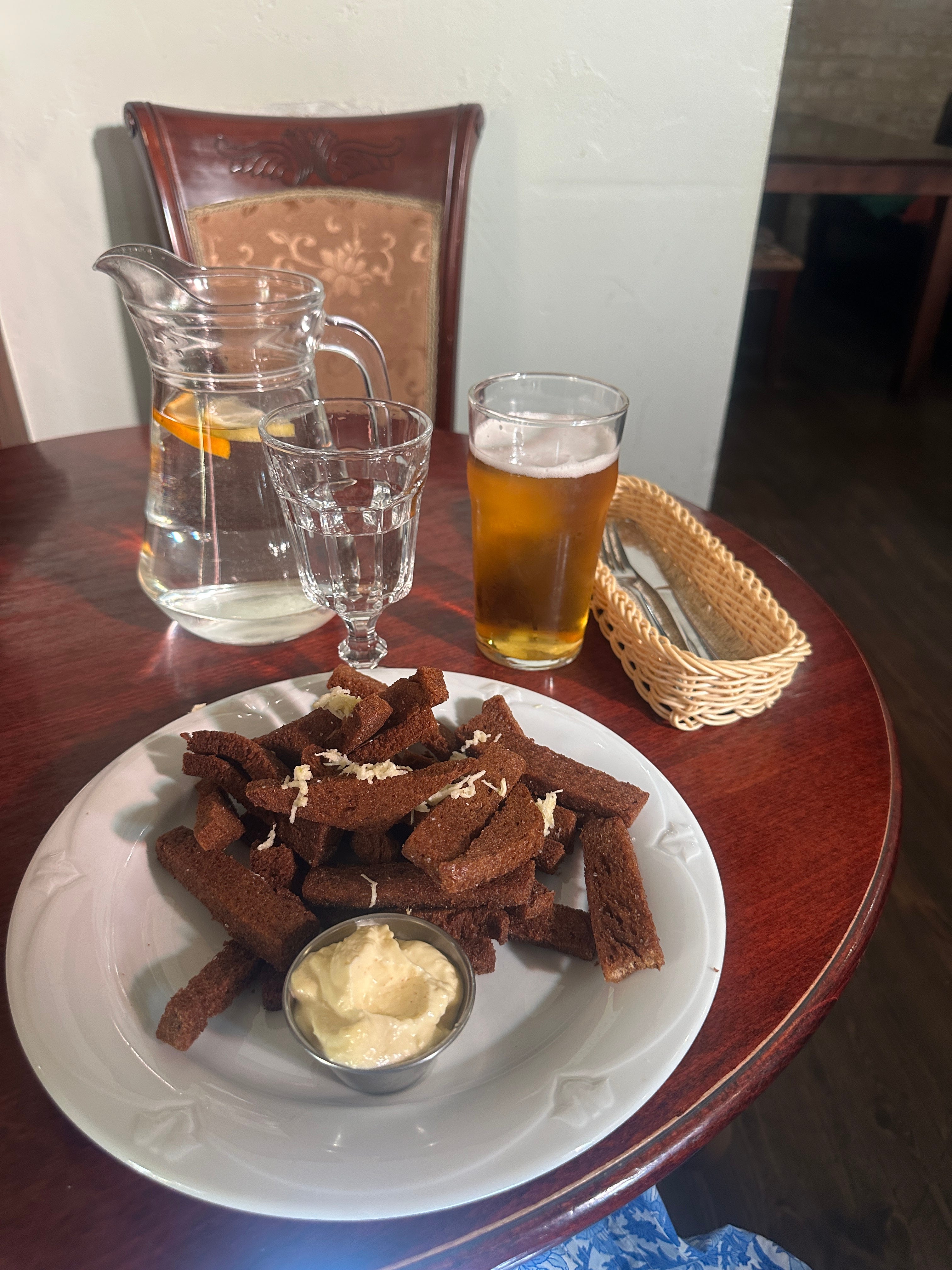
As an honorary Brit, I’m obliged to say to say that it pains me to say this, but—Lithuania has the perfect pub food. Picture it: deep-fried sticks of dense, dark rye bread doused in grated raw garlic and salt, dipped into a devilish sauce made of mayonnaise, fresh cheese, and yet more raw garlic. It’s exactly what you want with a beer, and it’s pure genius, what can I say. Even the low-rent version I had at the airport as an emergency snack was totally moreish. Bravo.
Foraged wonders
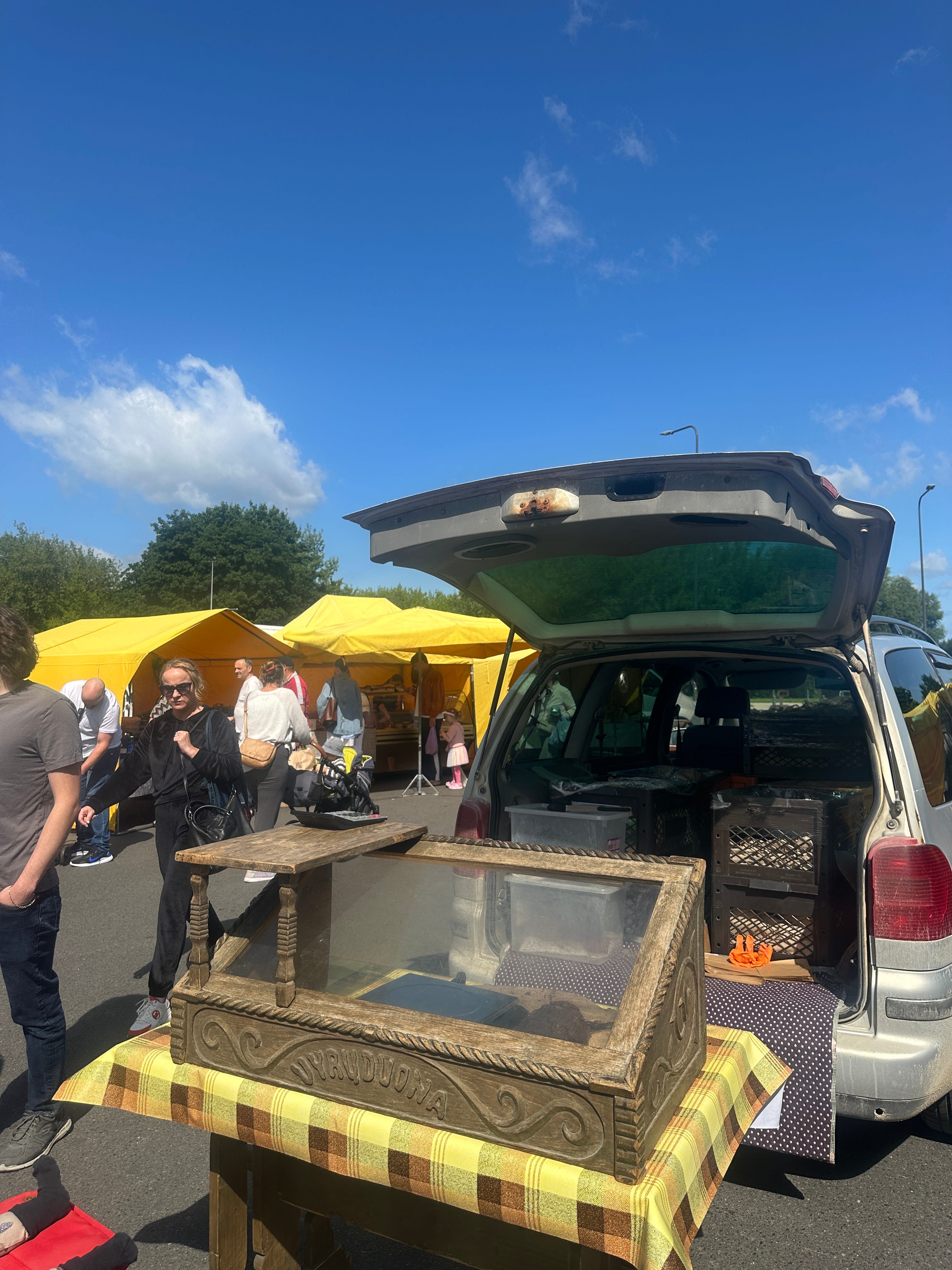
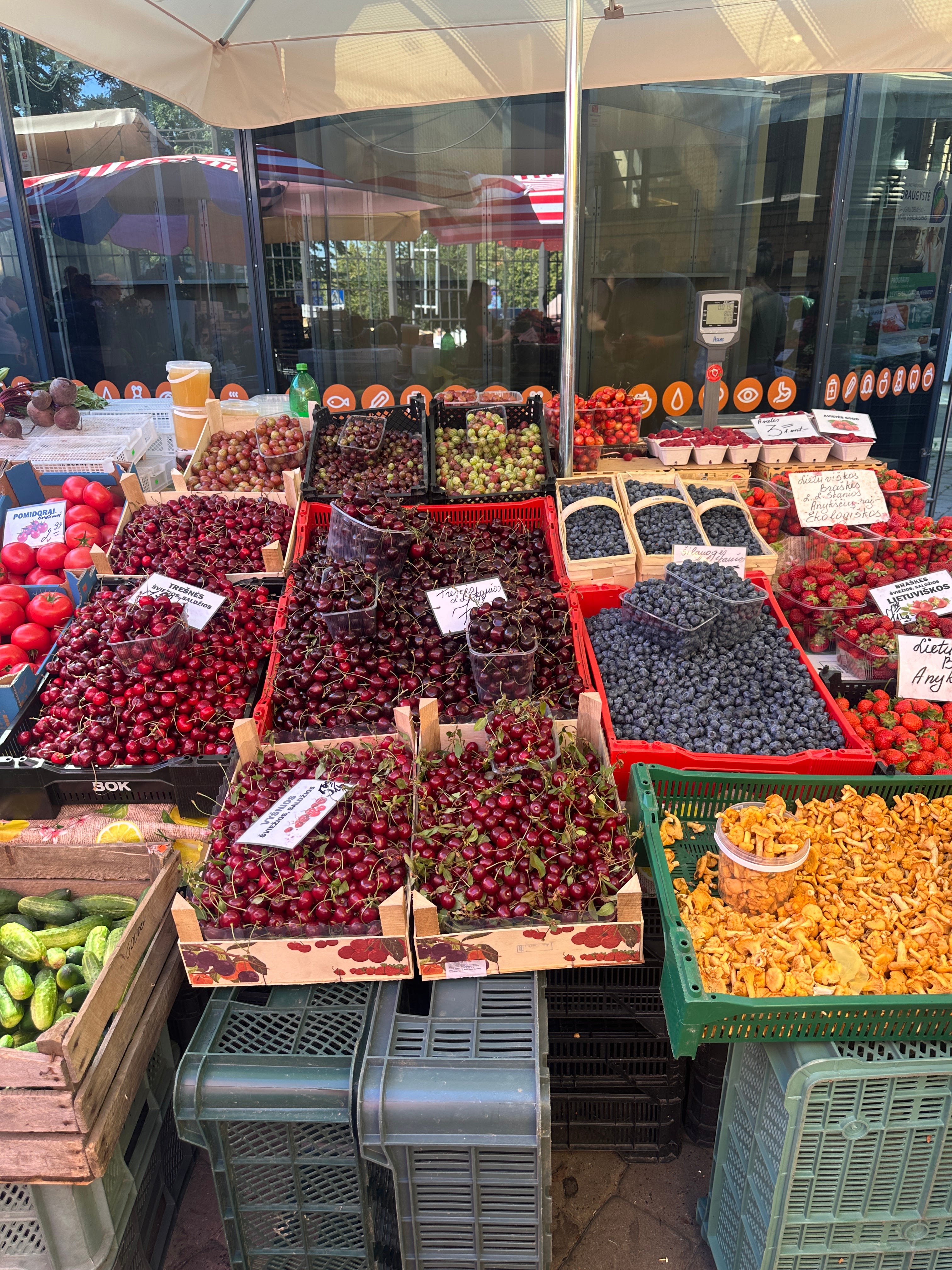
As a keen hedge-botherer, I have a lot of respect for a country that practically makes an industry of foraging. As such, summer in Lithuania means every pine tree-lined roadside is peppered with enterprising stands selling berries and chanterelles (the best mushrooms? Discuss).
I particularly enjoyed trying blue honeysuckle berries, or haskap, which have a delightful texture contrasting a firm yet velvety exterior with a blueberry-like inner gel. The flavor is also somewhat like a blueberry’s, but sharper and much more interesting.
Refreshing is relative
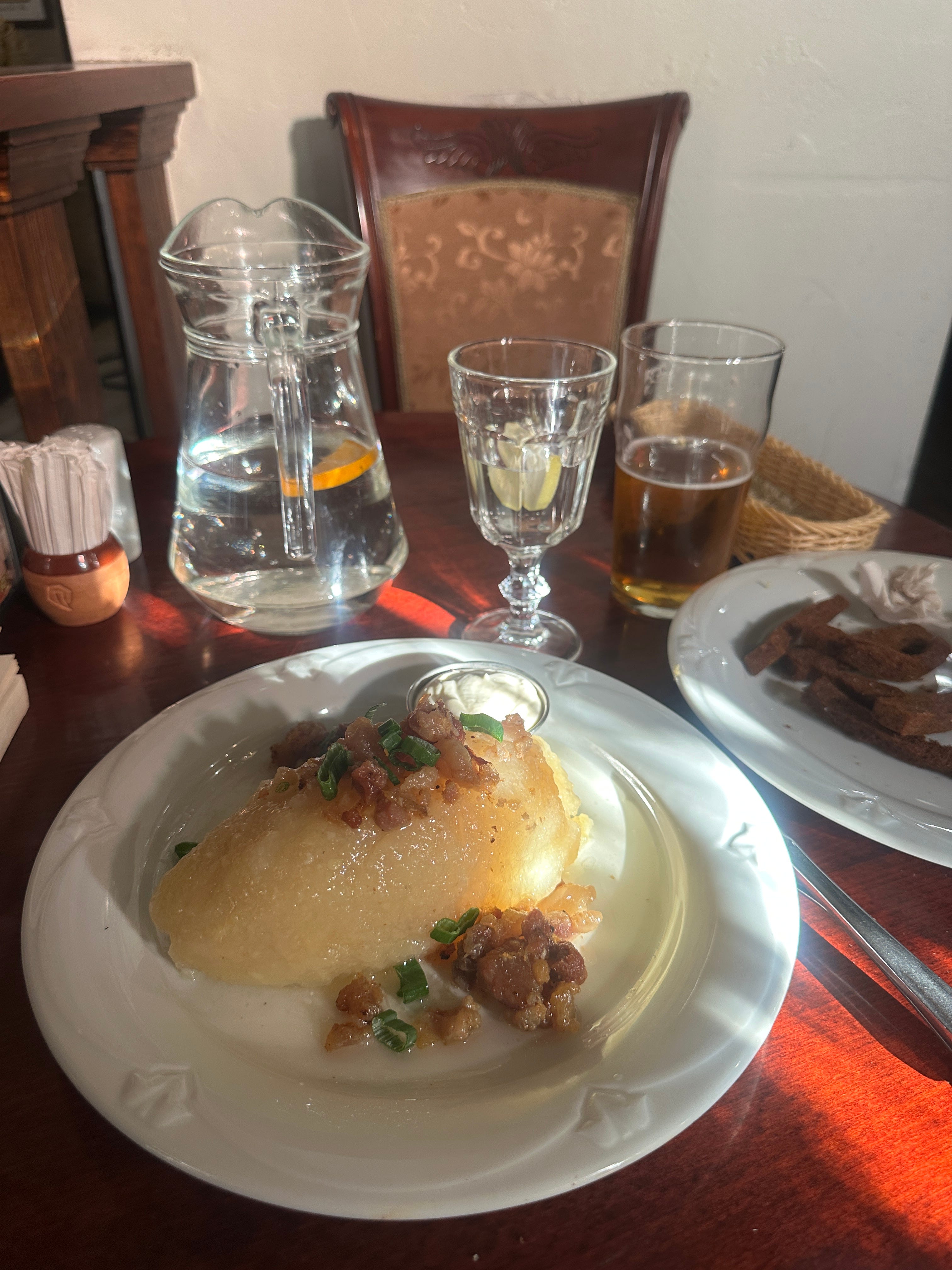
The Kitchen Cabinet episode linked above also described Lithuanian cuisine as “food that’s very suited to winter”. Of no dish is that more true than of the national dish, cepelinai (zeppelins). These are large torpedos of potato dough encasing a pork filling, which are boiled and topped with crispy lardons and their rendered fat before serving. There will usually be some sour cream on the side—for refreshment.
Hot tip: ensconce yourself in a nice dark tavern and they’ll taste equally good in July.
Cider country
Apples grow well in Lithuania; it was home to huge collectivized apple farms during Soviet Union. However, until recently, the country didn’t have much of a modern cider culture. That’s changing: during my time there, I was fortunate enough to visit at least three nascent cideries with big plans, as well as the cider bar and shop in Vilnius (at the time, it was only selling ciders from Latvia and Estonia, not yet Lithuania).
A year later, we have a cider bar in Kaunas, my hosts Demaintė and Vytautas’ amazing manor restoration and cider creation project at Lokinės Dvaras is well underway, and, recently, the first Baltic Cider Festival and competition took place in Vilnius. Į sveikatą!


Amber
A Lithuanian pastime I had never considered before visiting is combing the Baltic beaches in the north of the country for amber. This ancient “gold”—a favorite Viking trading good—is hardened tree sap, a relic of the ancient pine forests that once blanketed this part of the world.
My cider-maker hosts had a big jar of the stuff, gathered on recent visits to the sea, and they told me that amber tincture—essentially amber steeped in high-proof spirit—is a traditional remedy. Why not try flavoring cider with it, I asked. And so they did: just a few drops resulted in a fascinating, gently woodland-scented drink with indescribable frankincense-and-myrrh notes. Stay tuned!
Sadly, not having ever been to a Lithuanian diaspora restaurant, I cannot leave you with any personal recommendations. However, Vittles, a publication I tend to trust with these things, recommends eight of them here—I can’t wait to check them out when I’m in London later this month.