Mental side streets
On (not) hating tourists

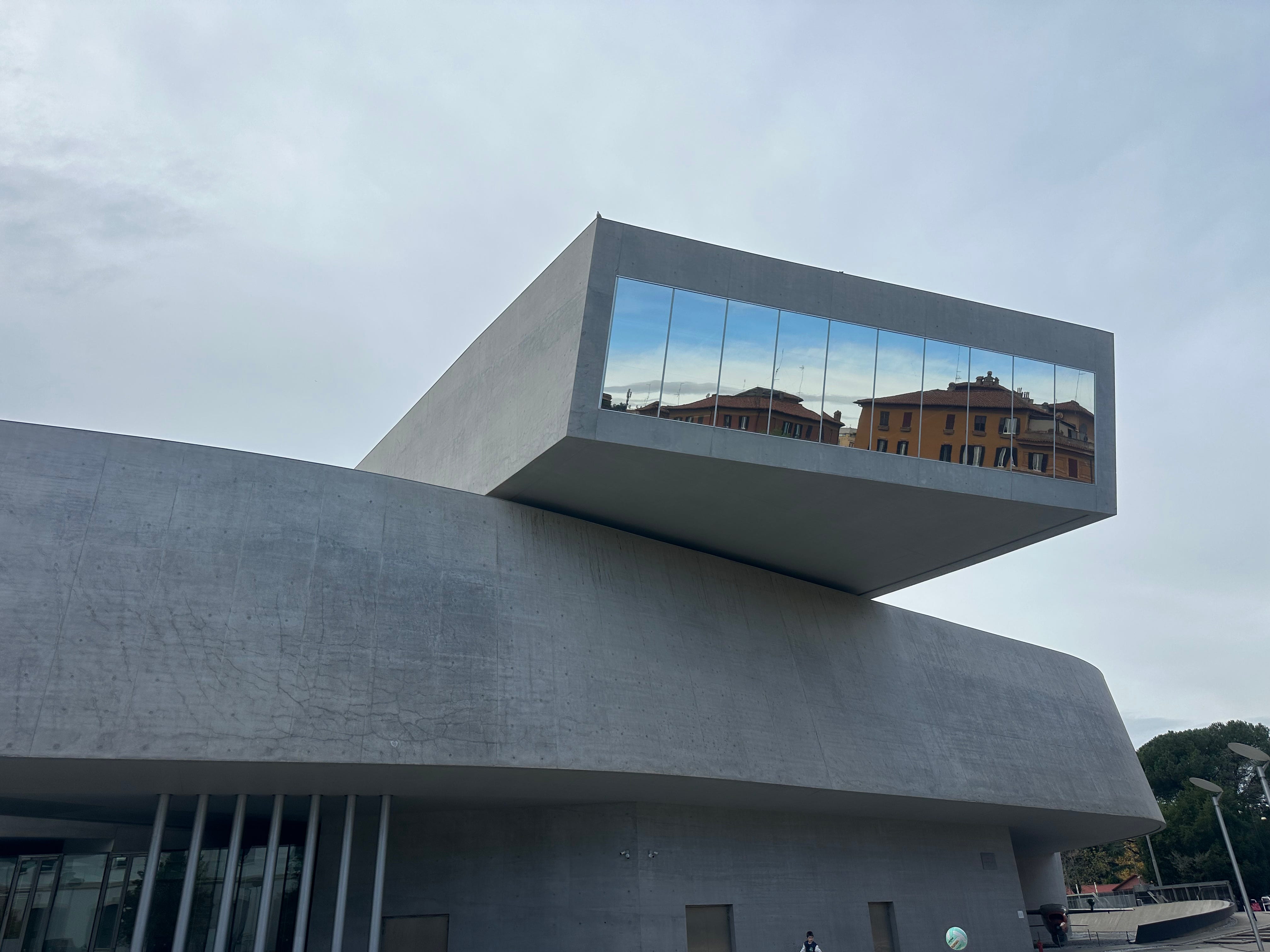
People hate places that are “touristy”. In an Italian speaking class I attended last autumn (back when I was young and full of energy), one lesson’s discussion topic was My Ideal City. When asked to imagine themselves as said city’s mayor, my fellow students kept bringing up how they would need to keep the tourists out, or at least to a minimum, in order to make their city “ideal”.
I raised the counterpoint at hand: other people love places that are touristy. Places become touristy when they are the type of place that people want to be. Isn’t that just the price you pay?
This did not fly: no positive side to tourism could be admitted, with the presence of tourists blamed for everything from traffic to housing prices. I thought of emphasizing the economic boon—indeed, lifeline—that tourism brings to many places, but decided in the end that I wouldn’t bother.
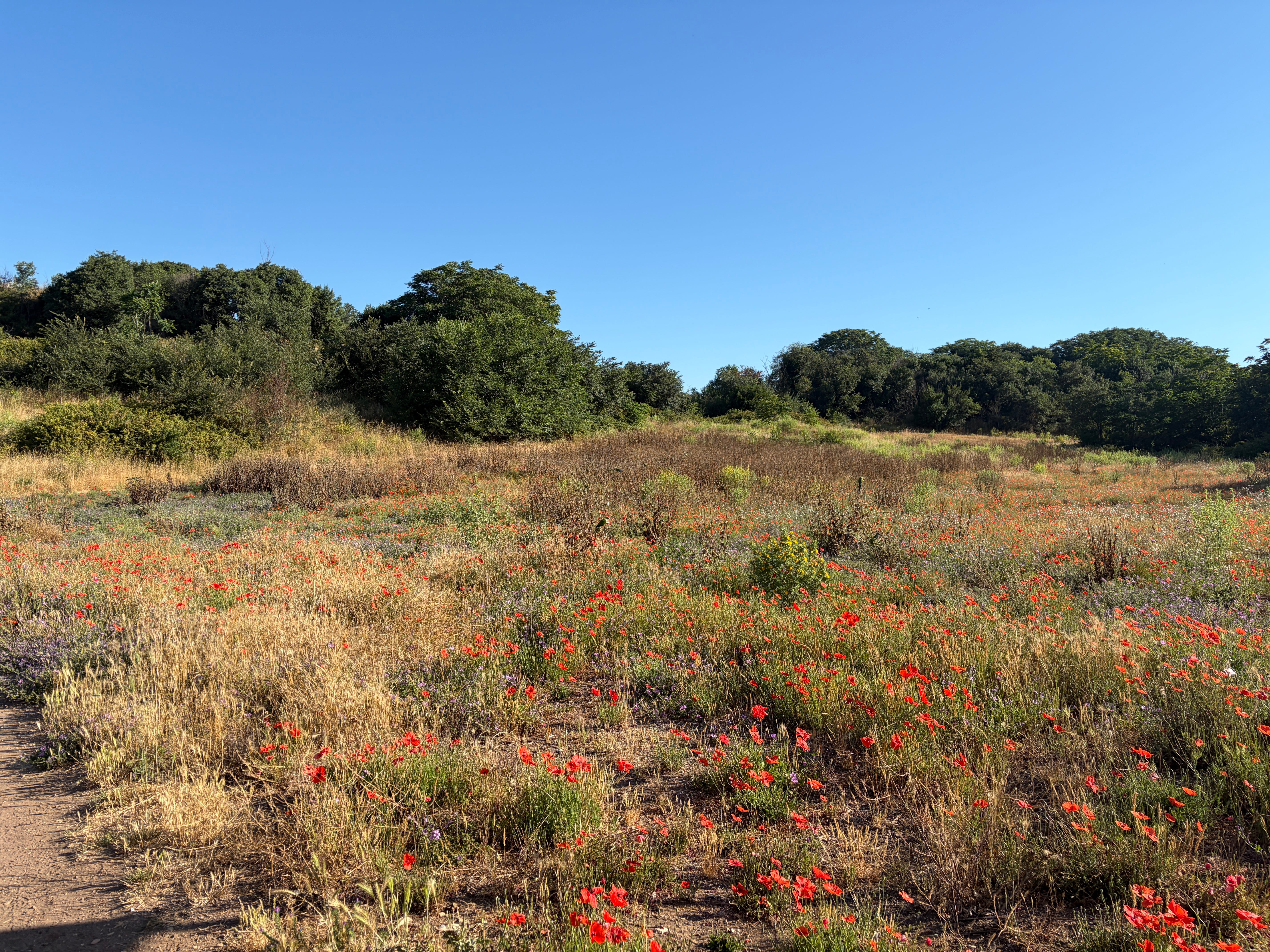
I’ve been reflecting this matter on and off since spending a lot of time this year in an extremely touristy place (Rome). The fact that Vatican City gets the most tourists per capita of any country may be a relatively pointless statistic, given the country’s tiny population, but existing in Rome during the aftermath of last year’s jubilee, it rings true.
The thing is… it doesn’t really bother me. When I see people queuing up at the wrong counter in one of Italy’s endlessly confusing cafés or ordering their carbonara with an obviously American accent, I have no desire to rage. The hordes admiring the incredible aesthetic riches of my adopted hometown make me proud, not exasperated.
It’s true that I’ve said many times, to many people, that I love how “non-touristy” my quartiere is. Perhaps I should stop using that admittedly easy shorthand. What I really mean is that it has a lot of non-short-term housing in it and that the local shops, restaurants, bars etc largely don’t cater to the stereotypical tourist. That doesn’t mean I don’t think people should visit! I really think they should, and I hope they do.
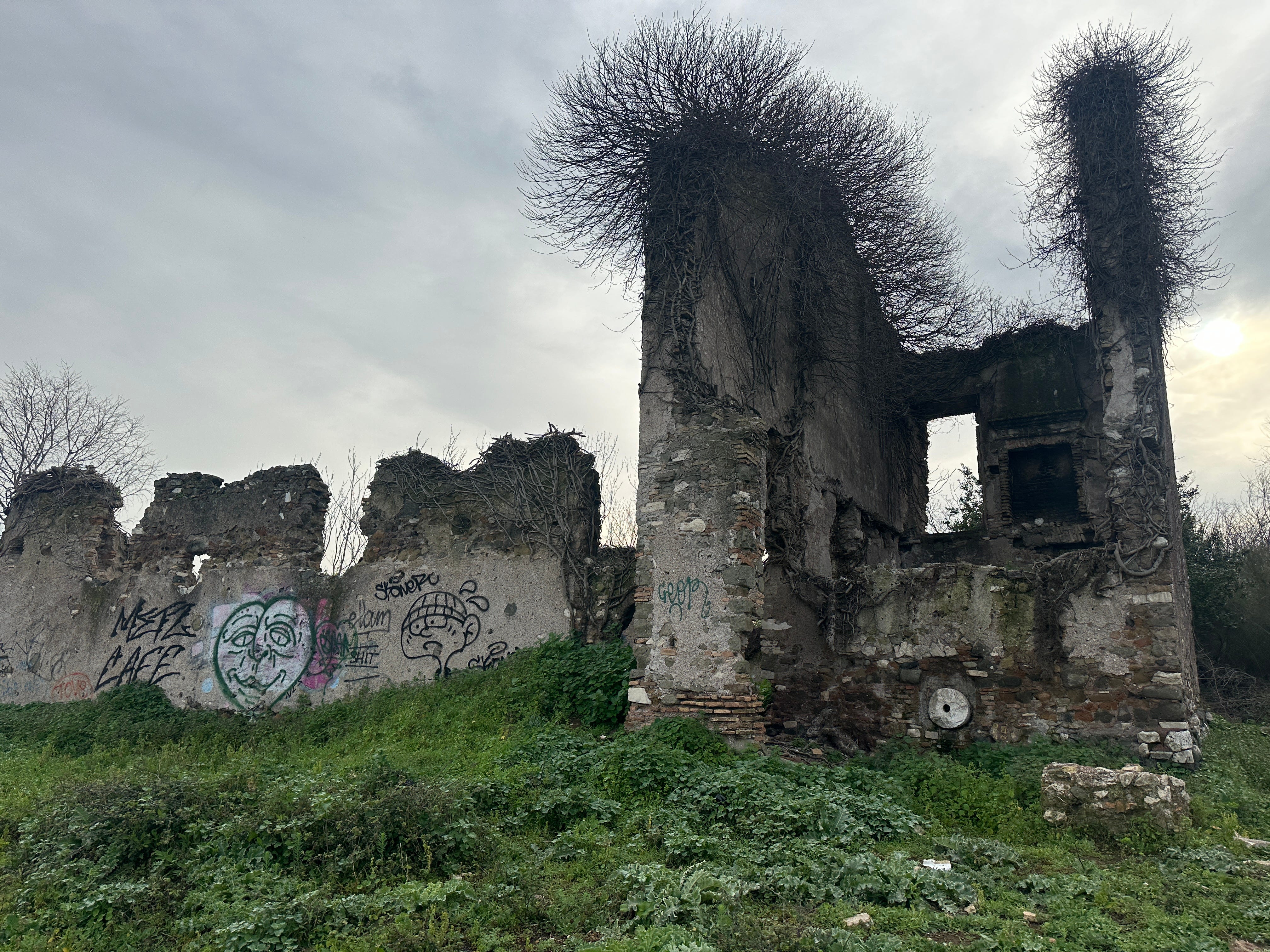
I think there’s something else at the crux of anti-tourist rage: people just aren’t comfortable with the fact that they themselves are part of the group they dislike. The people who hate tourists tend to be those who have the ability to go on holiday themselves. Put another way, it seems to me that hatred of tourists is very much analogous to NIMBYism; it’s having your cake and eating it too.
Of course, people don’t like to hear they’re being hypocritical, and it’s all the easier to drown out accusations of hypocrisy when everyone around agrees with your fundamental point (cf NIMBYism). I should be allowed to enjoy the be-touristed place; no one else should.
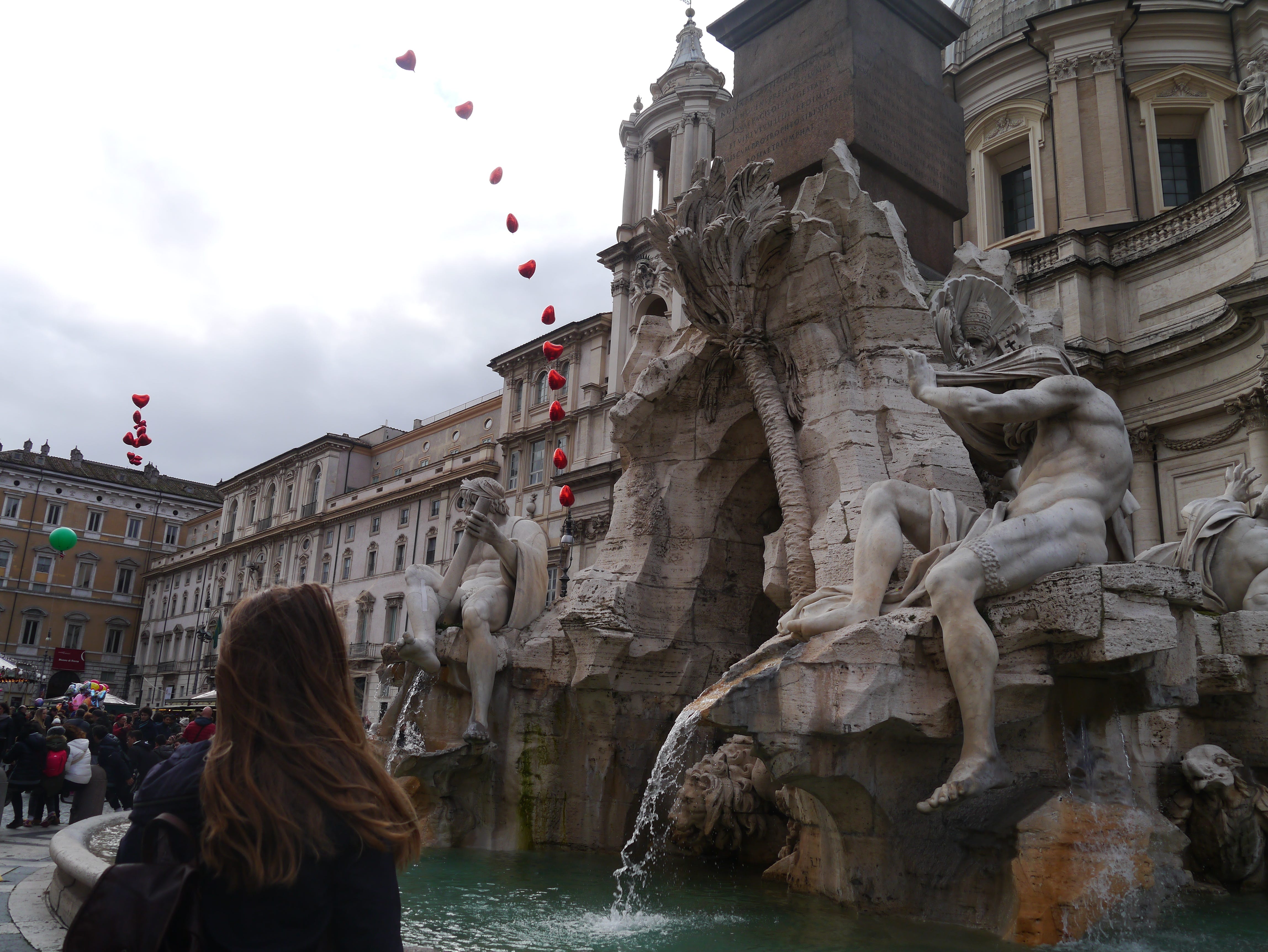
I think I first had the realization that you have to let others have some of the cake while standing in ever-touristy Piazza Navona last winter, inhaling deeply the heady scent of roasting chestnuts and watching the crowds mill around the just-opened mercatino natalizio. Thoroughly grateful to be where I was, I realized I was also happy for everyone else who got to share in it.
Of course, I was just as grateful for the emptier side streets—which there always are.
Postscript: All of this is not to say I don’t have a deeply ingrained tendency to seek out the non-touristy parts of every place I visit—I do. Most predictably, I love the sense of discovery and going against the grain. My top tips for easy anti-tourism:
Find a reason to go to an industrial estate (I end up in at least one per trip, and it usually gives you much insight into a place).
Treat public transport as sight-seeing (taking a passenger ferry as far as it will go is great for this).
A highly-reviewed restaurant in a random place on the outskirts of town is usually attracting a crowd for a reason.
Completely agree with you. You can’t see magic without accepting others will also want to.